COLLECTIONS
A CURATED ARCHIVE OF PHOTOGRAPHIC SERIES, CULTURAL ENCOUNTERS AND DOCUMENTARY MOMENTS COLLECTED ACROSS TIME AND PLACE.
Tacheles: Resistance at the Heart of Berlin
Berlin, 2012 Arts & Culture
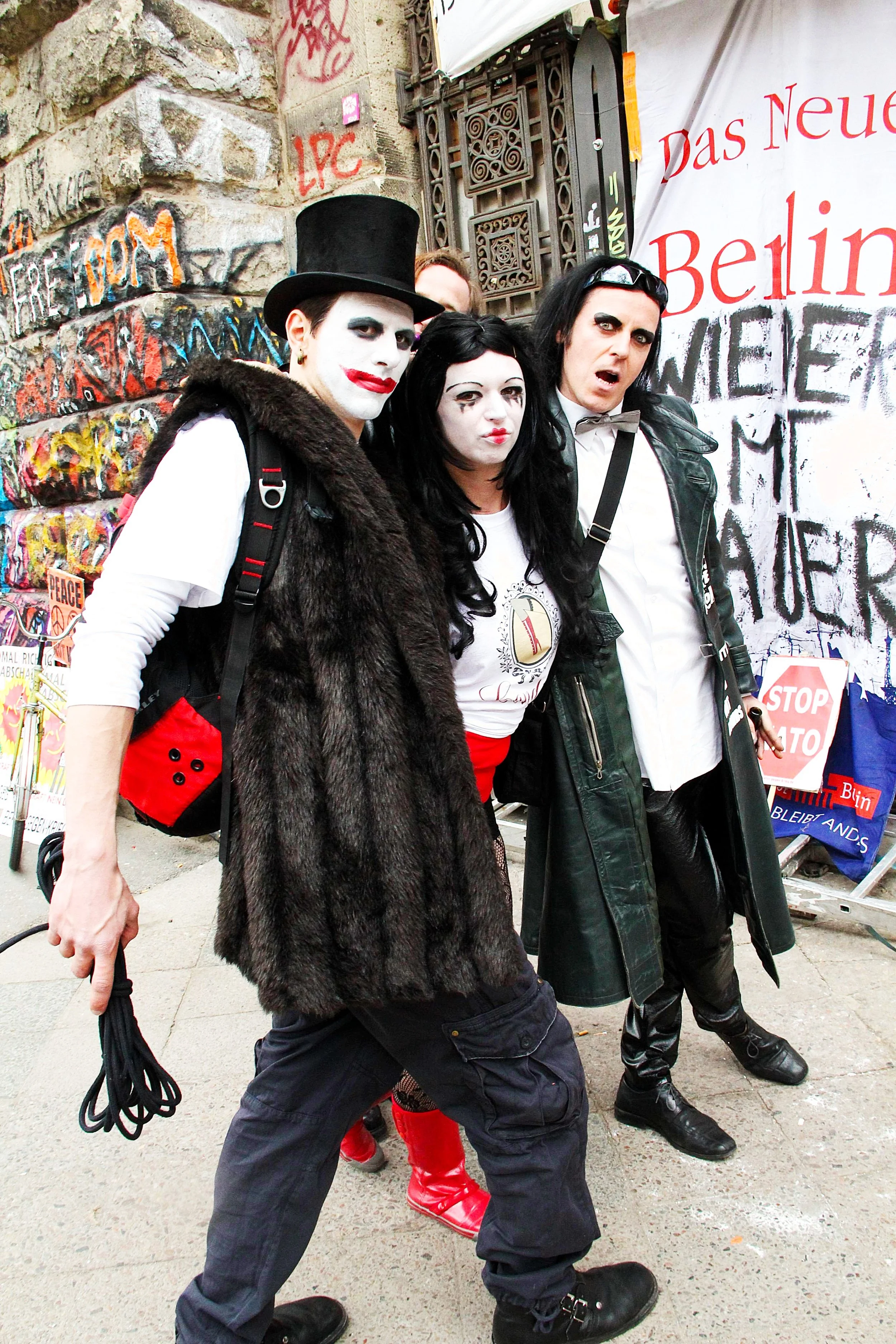
Established in 1990 when artists and activists transformed it into a cultural space and opened it to international production, Tacheles became one of Berlin’s most prominent alternative cultural centers. Emerging in the aftermath of the fall of the Wall, it stood for years as a symbol of independent creation and counterculture.
However, after the building was taken over by HSH Nordbank due to outstanding claims, a wall approximately 2.5 meters high was erected through the middle of the structure, restricting access from Oranienburger Straße. This intervention physically divided the site in two.
Around 80 people working inside reacted to the decision. The group, which included Turkish participants, announced that they would continue their resistance through a crisis committee. Artists and supporters called for public backing against the closure of the 26,000-square-meter site.
At the time, Berlin was undergoing accelerated urban transformation, particularly in the Mitte district, increasing pressure on alternative cultural spaces. The events at Tacheles became one of the most visible examples of this shift.
Following the eviction in 2012, the building was completely cleared, marking the official end of the Tacheles era.
The wall erected at Tacheles marked not only the division of a building, but also a turning point that split Berlin’s memory of artistic freedom.
©Çiğdem Hızkan — Reporting & Photography
Syriac Orthodox Church Liturgy –
Berlin, April 22, 2007 Faith & Community
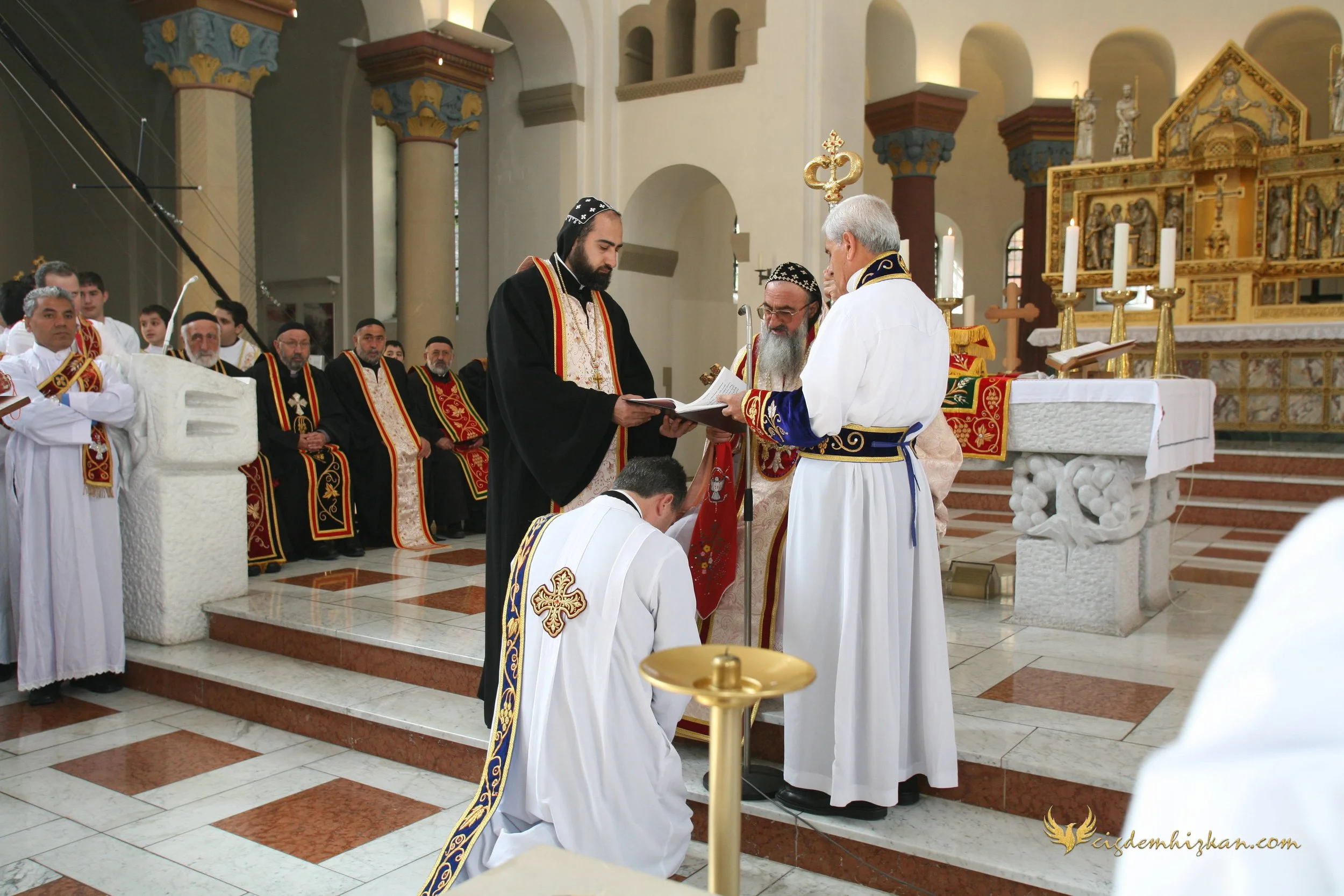
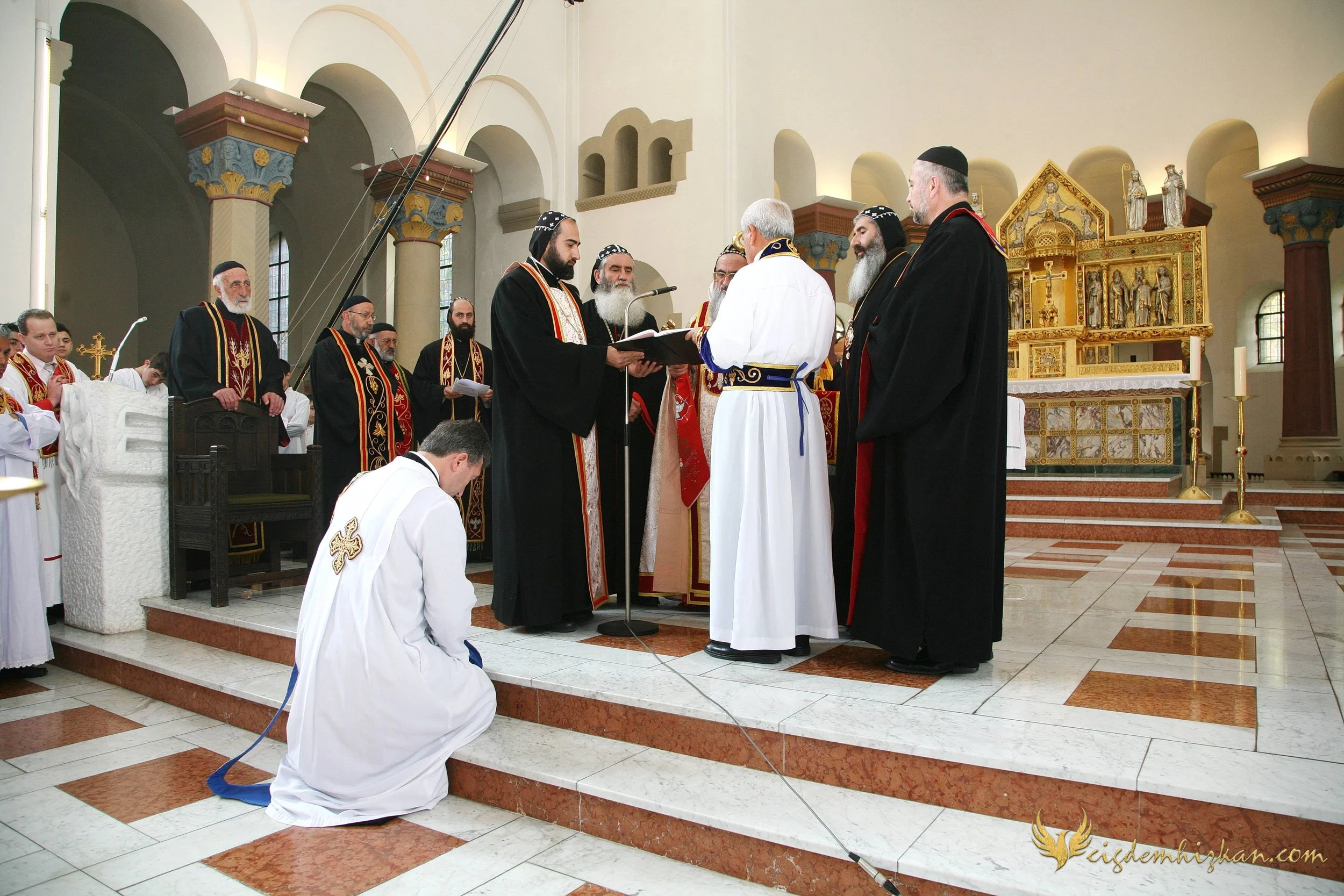
At a Syriac Orthodox Church ceremony held in Berlin, the ordination of Abuna Murat Üzel as a priest marked a significant moment of faith and community.
During the ceremony on April 22, 2007, Üzel formally entered his spiritual ministry within the Syriac Orthodox tradition. In this tradition, priestly ordination represents not only a personal calling, but also a key ritual symbolizing the continuity of the community and the transmission of its religious heritage.
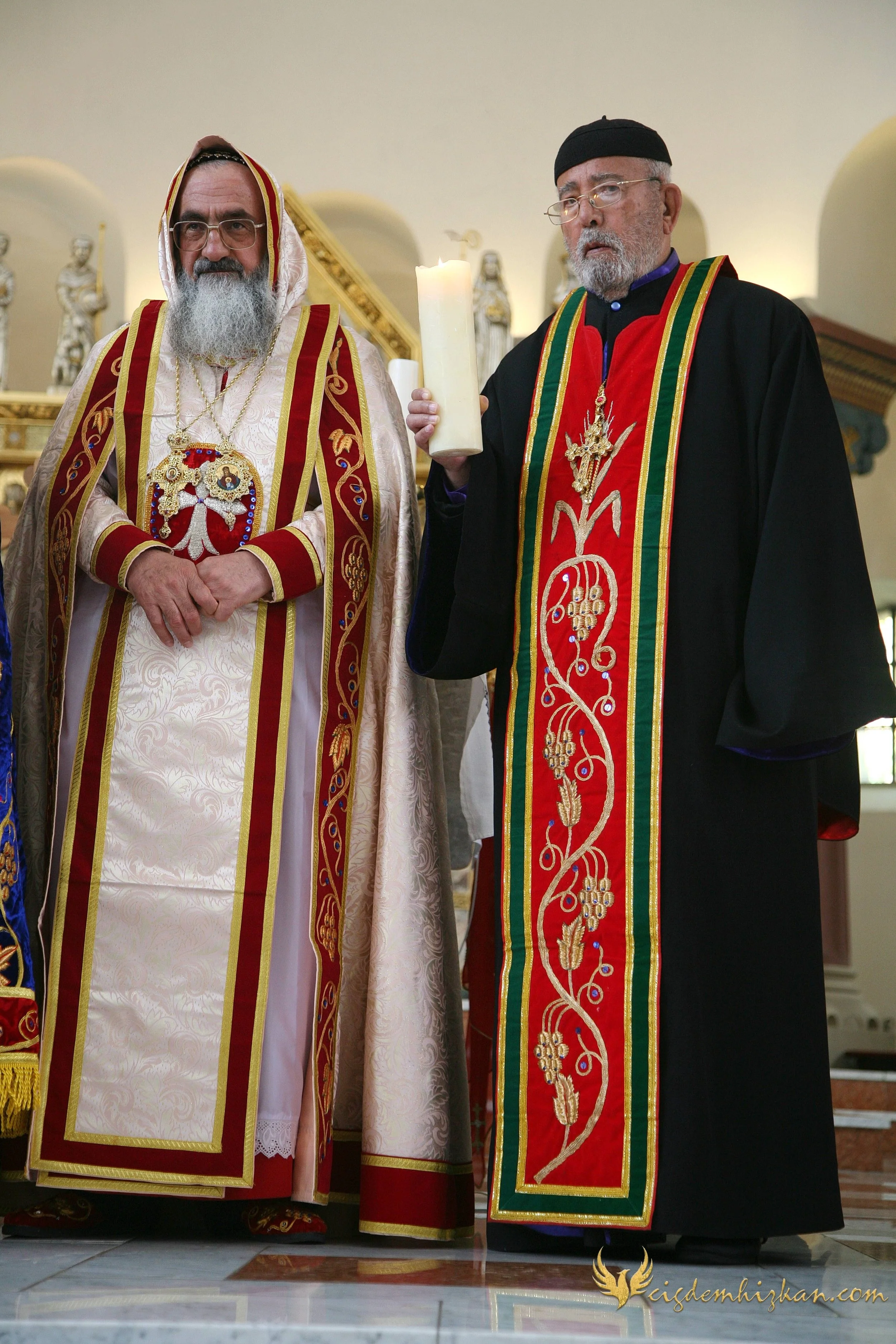
The liturgy was led by Mor Timotheos Samuel Aktaş, bringing together members of the Syriac community in Berlin as well as participants from different countries. Prayers, hymns, and rituals reflected a liturgical tradition that spans centuries.
The ceremony marked a turning point in Abuna Murat Üzel’s spiritual journey, while also highlighting the importance of such gatherings for diaspora communities in preserving and passing on their religious identity.
© Çiğdem Hızkan — Reporting & Photography
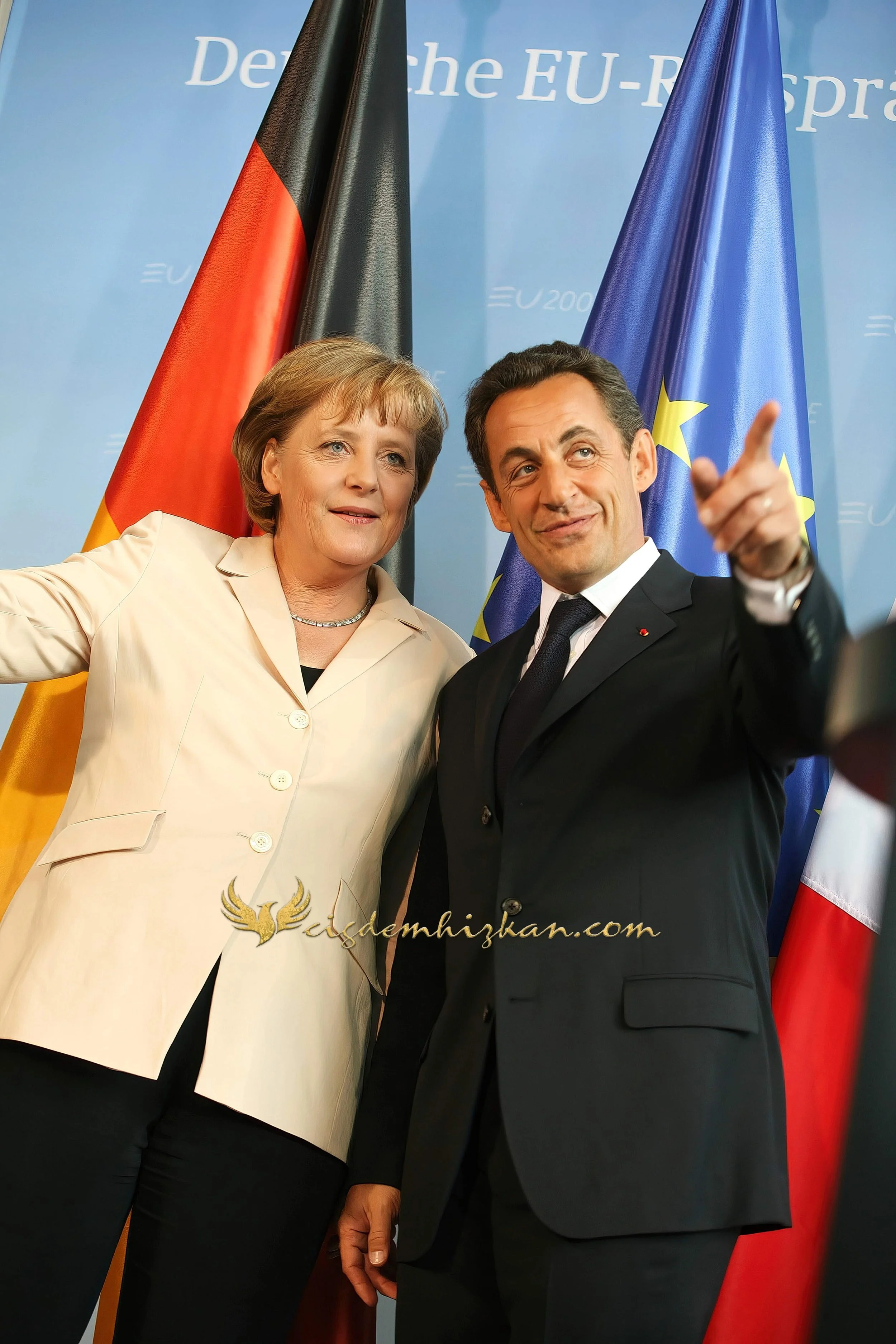
Angela Merkel & Nicolas Sarkozy
Berlin, Bundestag — 2007 Politics & Diplomacy
Angela Merkel & Nicolas Sarkozy
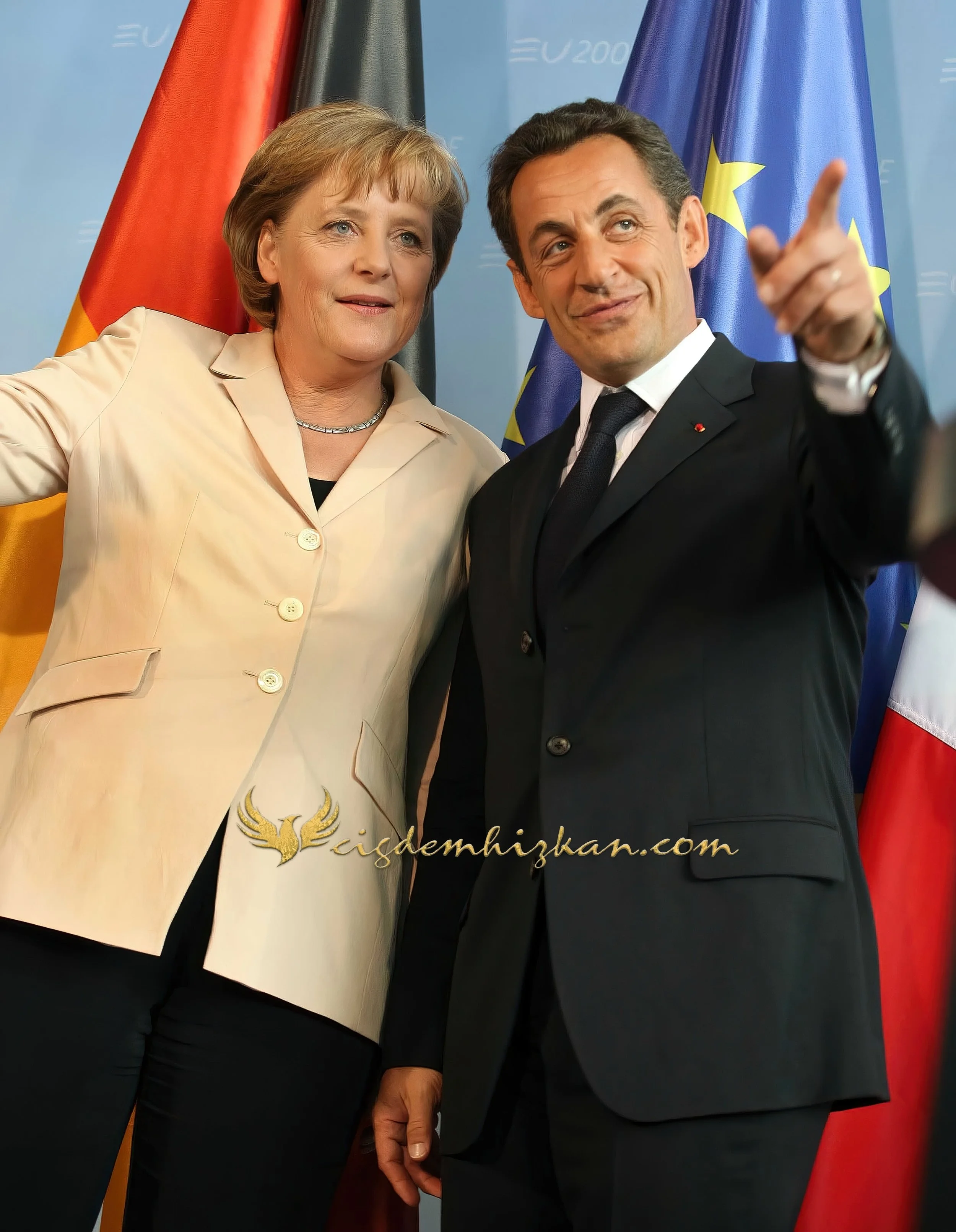
Shortly after taking office as President of France, Nicolas Sarkozy chose Berlin for his first official visit abroad — a symbolic gesture underlining the central role of Franco-German relations within the European Union.
In Berlin, Sarkozy met with German Chancellor Angela Merkel to discuss the future direction of Europe, including debates surrounding the European Constitutional Treaty and the evolving political structure of the European Union.
The meeting was widely interpreted as an early indication of the new French administration’s European policy priorities. Sarkozy’s decision to travel first to Berlin reinforced the long-standing political partnership between France and Germany, often regarded as one of the driving forces behind European integration.
Beyond its diplomatic significance, the visit reflected a moment of transition within Europe: a newly elected French president, an increasingly influential Germany, and ongoing discussions about the future identity of the European project.
© Çiğdem Hızkan — Reporting & Photography
Fire of Anatolia - Troy Anadolu Ateşi Truva
Berlin, 2008 Arts & Culture
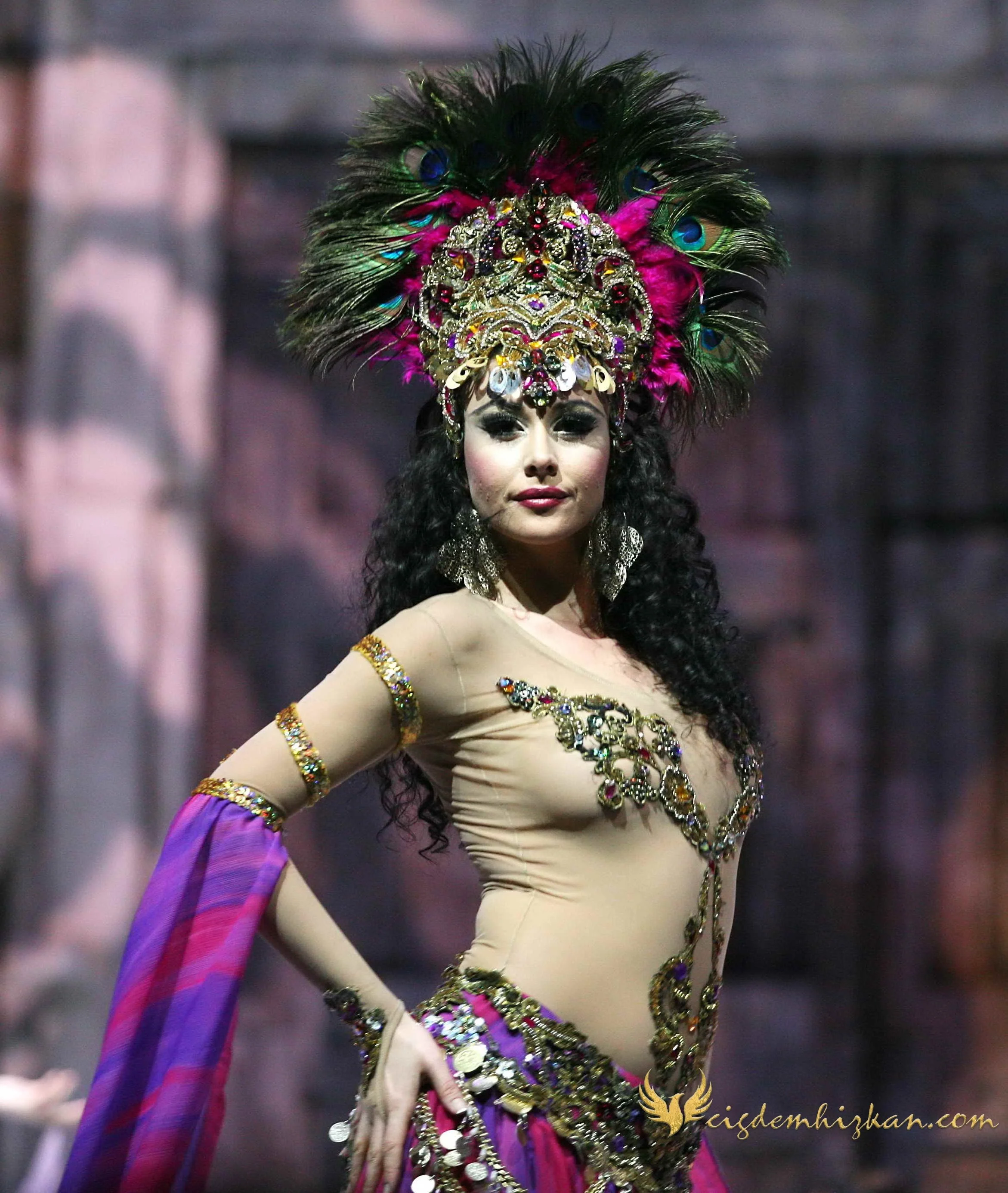
Anadolu Ateşi – Troy (Truva)
In 2008, the renowned Turkish dance company Anadolu Ateşi (Fire of Anatolia) brought its monumental production “Troy” to Berlin as part of its international tour.
Directed by Mustafa Erdoğan, the performance reinterpreted the legendary story of the Trojan War through a striking fusion of traditional Anatolian folk dances, contemporary choreography, ballet, and theatrical staging. With its large ensemble, powerful rhythm, and synchronized movement language, the production transformed an ancient myth into a modern visual spectacle.
More than a dance performance, Troy reflected themes of war, memory, migration, destiny, and cultural heritage — connecting ancient Anatolia with contemporary stage art. The Berlin performance drew international attention for its scale, dramatic atmosphere, and cinematic visual language.
Through music, movement, and ritual-inspired choreography, Anadolu Ateşi presented a modern interpretation of one of history’s most enduring epics.
© Çiğdem Hızkan — Reporting & Photography
Antalya, Kaş
Antalya, 2008 Travel & Landscape

Kaş is one of the quiet stops of the Blue Voyage, where every shade of blue meets the shore. Hidden between rocky cliffs, this small coastal town wakes to the gentle traces of boats drifting across the Mediterranean. Here, blue is not just a color, but a memory stretched across time.
© Çiğdem Hızkan — Reporting & Photography
deneme galeri
Antalya, 2008 Travel & Landscape
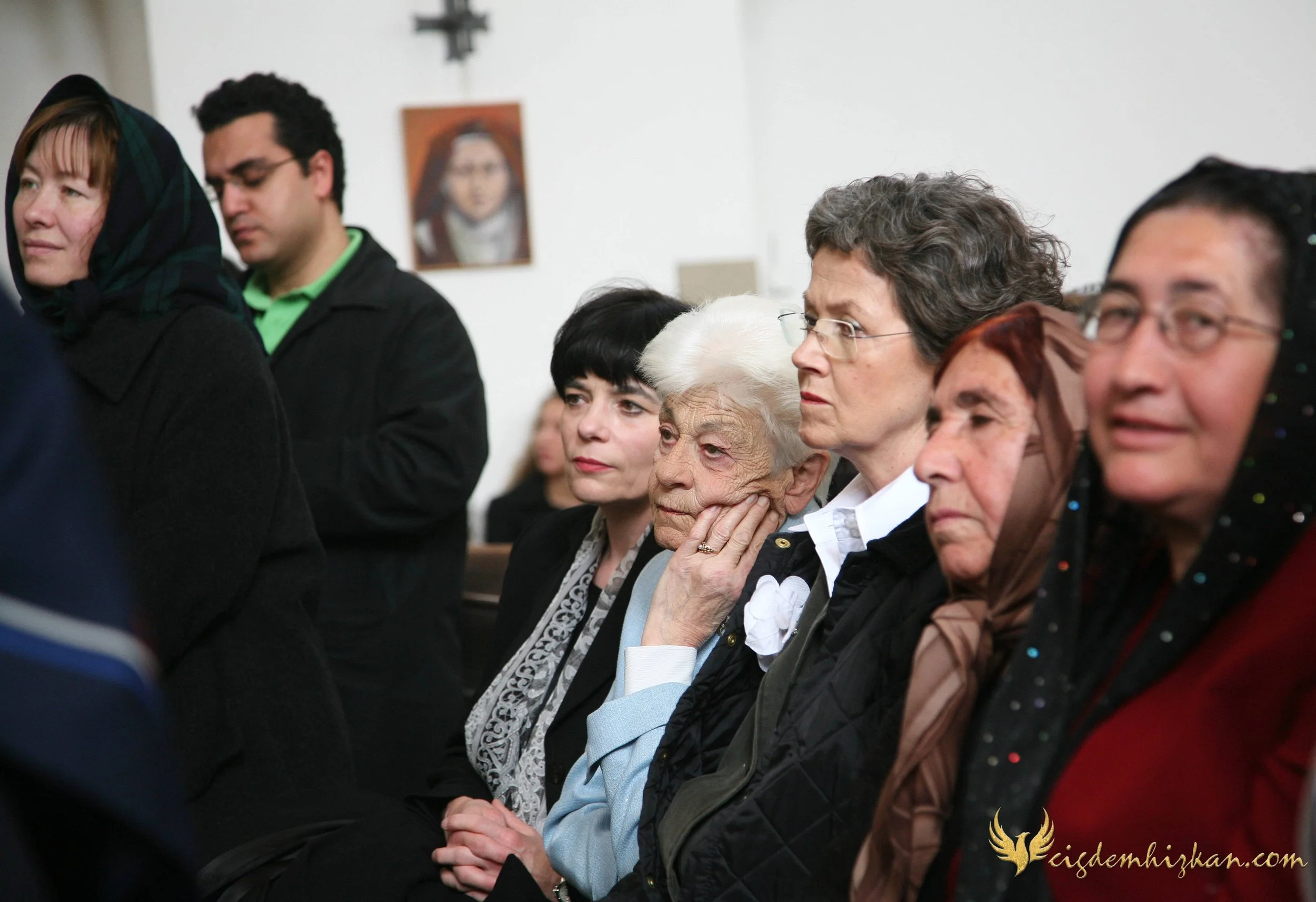
Kaş is one of the quiet stops of the Blue Voyage, where every shade of blue meets the shore. Hidden between rocky cliffs, this small coastal town wakes to the gentle traces of boats drifting across the Mediterranean. Here, blue is not just a color, but a memory stretched across time.
© Çiğdem Hızkan — Reporting & Photography